
52 km/h over the limit: this figure does not only sound like an excess of zeal, it is the precise threshold where the road crosses into the realm of criminal law. On the asphalt, the boundary between a simple infraction and a crime can be crossed with a sudden acceleration, a forgotten insurance, or a categorical refusal of the breathalyzer. Behind each act, justice does not hesitate: it strikes, suspends, prohibits. The driver who brushes against it exposes themselves to consequences that far exceed a simple points deduction.
The measures taken depend on the severity of the alleged facts and the driver’s past. Some are immediate, with no possible discussion; others leave it to the judge to assess the next steps.
Overview of Traffic Offenses: Understanding the Main Criminal Infractions While Driving
The road knows no anarchy. Traffic offenses follow a strict classification: contravention, délit, crime. Most automotive faults that mark a turning point in the judicial process fall under the category of crime. This includes driving without a license, driving under the influence of drugs or alcohol, hit and run after an accident, or cases of road homicide. All these cases end up before the correctional court, where the penalty is adapted to the severity of the act.
For each crime, justice has a range of responses: fine, imprisonment, suspension or revocation of the license, and sometimes confiscation of the vehicle. A repeat offense raises the stakes: the vehicle can be automatically seized, the penalty increases, and the mark left on the criminal record deepens. Unintentional injuries or deaths on the road are also part of the equation, with penalties that worsen as soon as alcohol, drugs, or speed come into play.
The traffic code goes further and isolates certain offenses. Take the case of the penalty for car theft: it cannot be treated as a simple fine. It is a full-fledged crime, judged in criminal court, whose penalty permanently marks the criminal record. At every stage, drivers can, and should, be accompanied by a lawyer. Because criminal liability sometimes adds to civil liability, for example if a third party suffers material or bodily harm.
Ultimately, each infraction finds its place in this well-oiled system. The car, far from being a refuge outside the rules, conforms to the rigor of the law. Traffic code infractions outline a precise map where each violation receives its judicial treatment.
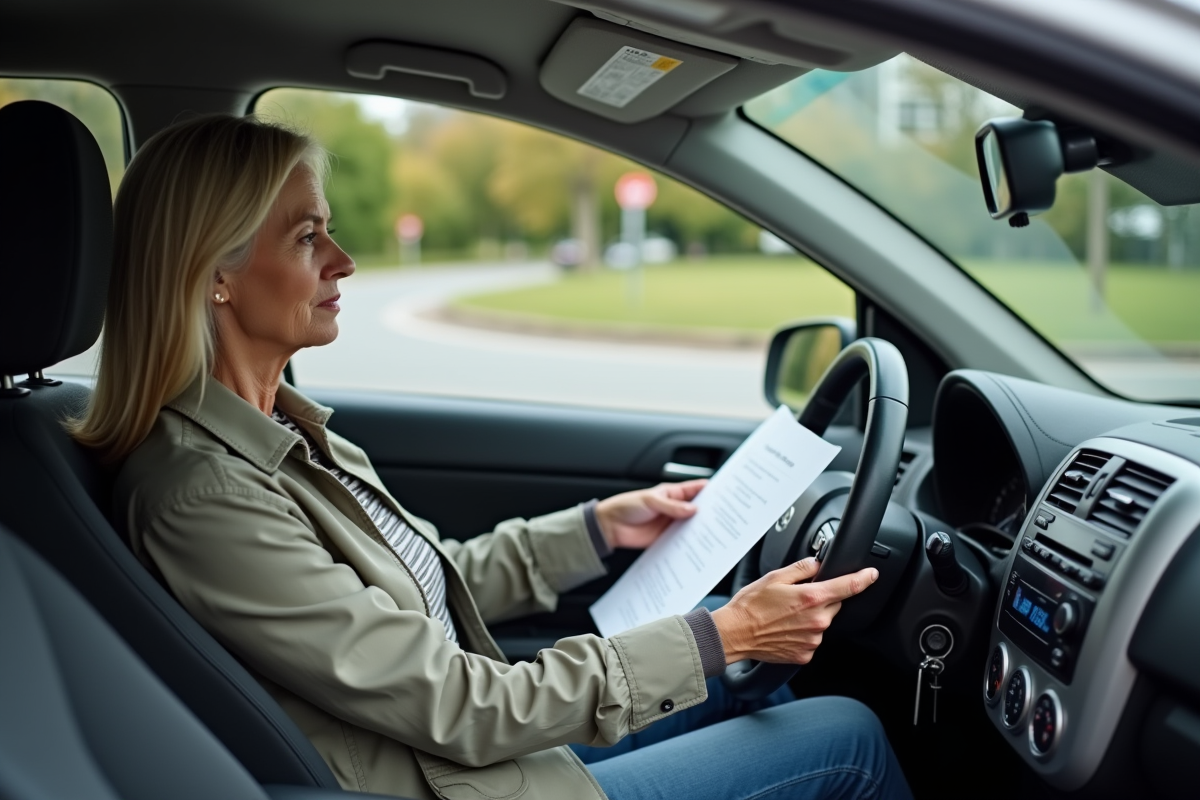
What are the concrete risks and how to protect oneself from sanctions?
Each traffic offense corresponds to an appropriate criminal sanction. Those who drive under the influence of drugs, alcohol, or flee after an accident risk a sometimes hefty fine, but also imprisonment. The correctional court can revoke the license for a variable duration, annul it entirely, or even order the confiscation of the vehicle. Other measures, such as road safety awareness courses or community service, often complement the picture.
The points-based license is not spared: each infraction can chip away at the driver’s points. At zero, it results in pure and simple revocation. In case of repeat offenses or aggravation (alcohol, drugs), penalties become even harsher: automatic confiscation, increased sanctions, entry on the criminal record. And the shadow of the record does not dissipate easily: it can complicate recruitment, hinder professional advancement, or make car insurance prohibitively expensive.
To reduce exposure to these risks, here are the reflexes to adopt:
- Strictly adhere to speed limits and current regulations.
- In case of a summons or doubt about your rights, seek the advice of a legal professional.
- If a road safety awareness course is offered, seize the opportunity: it can sometimes prevent the suspension or revocation of the license.
In the event of an accident causing damage, insurance intervenes to compensate the victims. But beware: the public prosecutor can initiate proceedings, sometimes following an external report or a complaint filed by the injured party. Staying informed about the traffic code, examining each notice of violation, consulting a specialized lawyer at the slightest signal: all of this limits the spiral of sanctions. The road is not a no-man’s land. It is better to navigate it with clarity… than to end up in court for not wanting to ease off the gas.