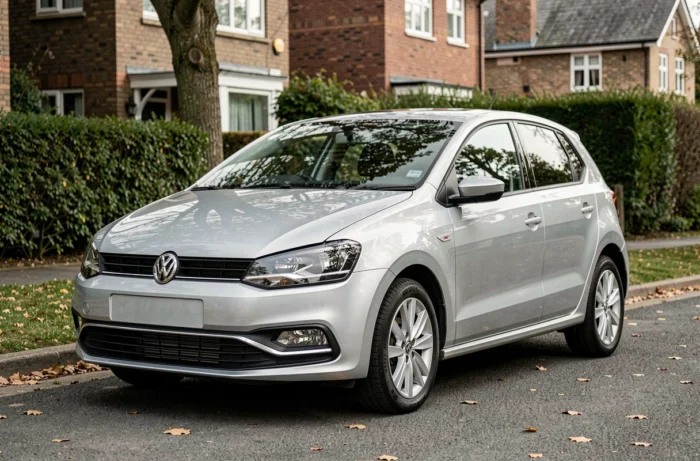
The Volkswagen Polo 6R (2009-2014) shares its PQ25 platform with the Seat Ibiza 6J and the Skoda Fabia II, but its maintenance plan has specific features related to the EA211 and EA111 engines that general guides rarely cover in detail. Understanding these particularities before purchase or to plan maintenance avoids extra costs that can impact the profitability of a used city car.
Timing Chain or Belt on Polo 6R: Identify the Right Interval According to the Engine Block
The choice of engine block directly affects the most expensive maintenance item. The 1.2 TSI (CBZB) engines operate with a timing chain, which is known to not require periodic replacement. In practice, the chain tensioner on this block is a documented weak point: a cold start rattle indicates wear on the tensioner, which, if ignored, can lead to a chain jump.
The 1.4 TDI and 1.6 TDI blocks use a timing belt with a replacement interval set by Volkswagen. The naturally aspirated 1.2 MPI (CGPB) petrol engines also run with a chain, but their simpler design generates fewer tensioner problems than the 1.2 TSI.
We recommend always asking for the invoice of the last chain or belt replacement when purchasing. For high-mileage 1.2 TSIs, an acoustic cold engine check remains the most reliable test in a quick purchase situation. The resources available on polo6r.fr detail parts references and user feedback by engine type.
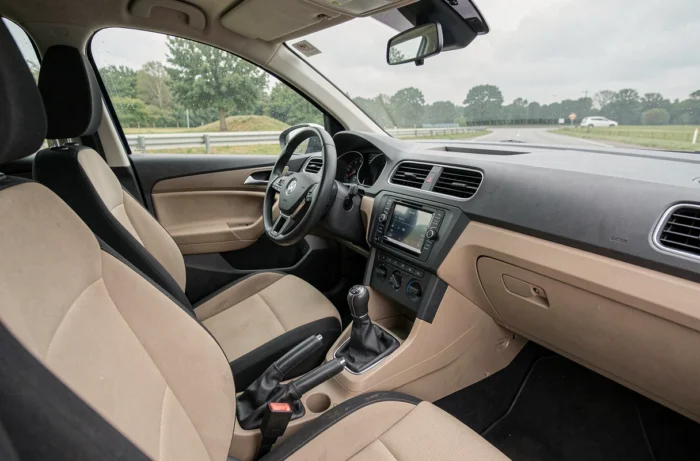
Polo 6R Maintenance Schedule: Key Items Not to Delay
The manufacturer’s plan provides for an annual service or every 15,000 km. This first stage includes an oil change, oil filter replacement, and visual inspection of the brakes. The air filter is replaced every 30,000 km, and the cabin filter at the same interval.
At the 60,000 km stage, the plan adds brake fluid replacement and a thorough inspection of the braking system. This item is often neglected on Polos sold between individuals, while hygroscopic brake fluid loses its properties well before symptoms appear.
Frequently Overlooked Items
- The bleeding and replacement of brake fluid every two years, regardless of mileage, is a manufacturer requirement that many owners overlook on a city car
- The fuel filter on diesel engines must be replaced according to the prescribed interval; partial clogging degrades performance and consumption well before causing a engine fault
- The spark plugs on TSI petrol blocks have a shorter replacement interval than on naturally aspirated engines due to higher combustion pressure
- The inspection of the rear drum brake pad clearance, fitted on most versions except the GTI, is rarely performed outside of technical checks
Polo 6R Engine Options for Purchase: Balancing Reliability and ZFE Restrictions
The 1.0 TSI does not exist on the 6R (it appears on the restyled 6C and then the AW). On the used market, the available petrol engines are the 1.2 MPI naturally aspirated and the 1.2 TSI, the latter offering better driving pleasure thanks to the turbo.
The 1.2 TSI remains the best compromise between performance, consumption, and maintenance cost, provided the condition of the chain tensioner is checked. The 1.4 TSI (140 hp or GT version) offers more power, but maintenance costs increase proportionally.
On the diesel side, the 1.6 TDI (CAYC) has been widely distributed. Its mechanical reliability is decent, but one must anticipate a point that has become crucial for purchase: ZFE compatibility depends on the date of first registration and the associated Euro standard. Diesel Polo 6Rs registered before 2011 are classified as Crit’Air 3, which already restricts circulation in several French metropolitan areas.
ZFE Check Before Purchase
The ZFE calendar remains evolving. The boundaries and restrictions are defined locally by each metropolitan area. Before buying a diesel Polo 6R for daily urban use, it is essential to check the vehicle’s Crit’Air sticker and consult the current local rules, rather than relying on national ads that may be contradicted by municipal decisions.
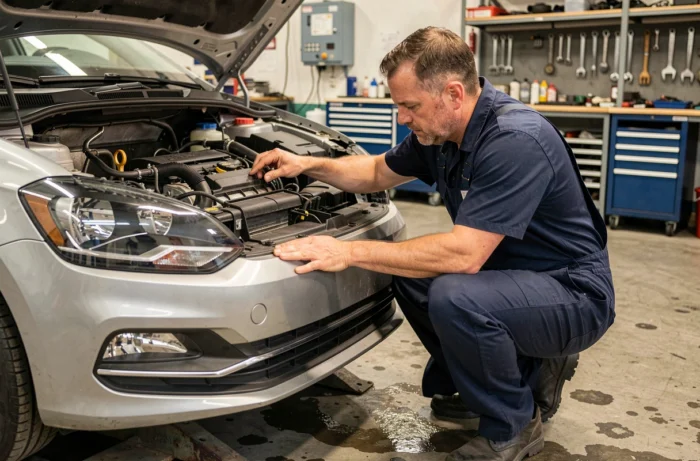
VIN Check and Manufacturer Recalls on Used Polo 6R
A mechanical inspection does not replace checking the serial number with Volkswagen. Recall campaigns are linked to the VIN, not to the model in general. On a high-mileage or imported Polo 6R, a recall may remain open without the seller being aware.
Asking the seller for proof of interventions carried out as part of recalls, then confirming the vehicle’s status directly with the Volkswagen network, helps identify any pending recalls. This verification takes a few minutes by phone and can reveal an intervention covered by the manufacturer, thus free of charge.
General guides on airbag recalls (notably related to Takata) do not allow for concluding that a specific Polo 6R is affected. Only checking by VIN with the manufacturer provides a reliable answer.
Polo 6R Maintenance Budget: What Really Affects Ownership Costs
On a petrol Polo 6R with mixed use, routine maintenance items (oil change, filters, brakes) remain contained compared to a compact sedan. The item that shifts the budget is the timing system: replacement of the chain tensioner on the 1.2 TSI, or belt on the diesels.
A complete and up-to-date maintenance booklet significantly reduces the risk of unpleasant surprises at purchase. The absence of invoices for the timing system or brake fluid justifies a price negotiation, as these interventions will need to be carried out immediately.
The rest of the routine maintenance falls within the lower average of the city car segment, which explains the lasting popularity of this model on the used market. The final decision between petrol and diesel hinges less on parts prices than on ZFE constraints, which can render a diesel 6R unusable in the medium term in certain urban areas.