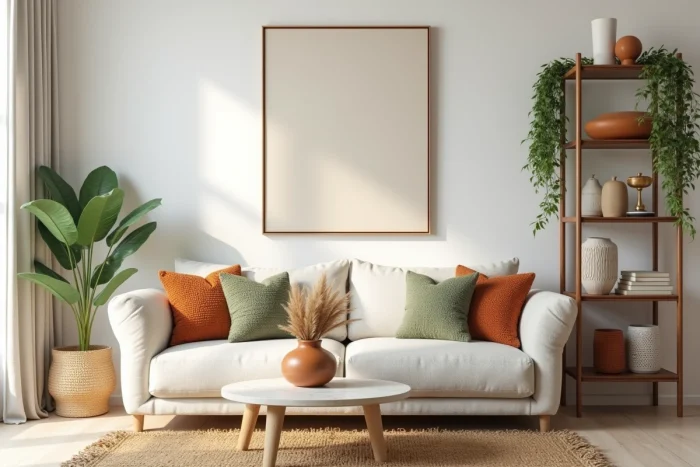
The interior decoration market is undergoing a discreet yet profound transformation. Energy constraints stemming from the Climate and Resilience law, rising material costs, and the growth of furnished rentals are prompting individuals to rethink their decorating approach. Designing a home is no longer just about choosing a wall color or a sofa: every decor decision now carries a technical, economic, and sometimes regulatory dimension that traditional inspiration articles overlook.
Reversible decor: renovate without condemning your home
The concept of reversible decoration has been gaining traction for several years. Clickable floating floors, removable panoramic wallpapers, and lightweight removable partitions: these solutions allow for transforming an interior without engaging in heavy renovations.
The interest goes beyond a simple desire for change. In rentals, a tenant can personalize their space and then return the property to its original state. For a homeowner considering resale, avoiding irreversible modifications preserves the property’s value. Specialized renovation brands are now integrating this logic into their ranges, and real estate agents explicitly recommend this type of layout.
The floating vinyl tile exemplifies this approach well. It can be installed without glue, withstands heavy use, and can be removed in a few hours. In contrast, sealed tiles involve thousands of euros in removal if the style is no longer suitable. The choice between the two is not just aesthetic: it is a patrimonial decision. Exploring all the sections of iDéco Maison allows you to discover these different layout options room by room.
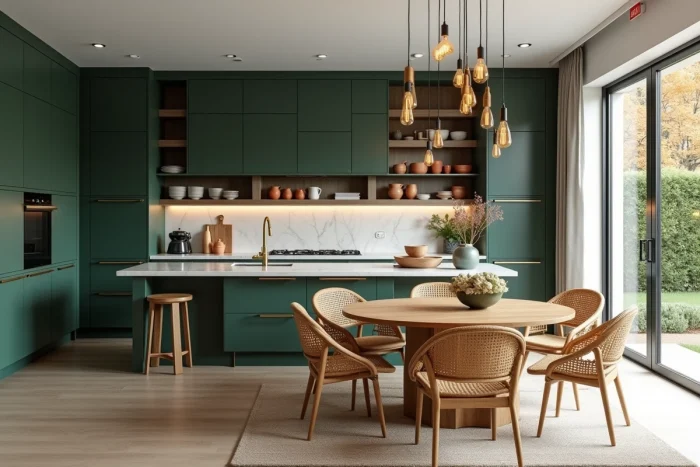
Energy performance and decor choices: what ADEME guides recommend
The strengthened requirements of the energy performance diagnosis (DPE) are significantly altering decoration choices. Guides published by ADEME and the Ministry of Ecological Transition recommend thinking about decor and energy performance together, an angle that most inspiration magazines do not address.
Some decor levers have a direct impact on the energy consumption of a home:
- Thermal curtains and efficient filtering blinds reduce heat loss through windows, especially in older homes with single or aging double glazing.
- Decorative insulating linings (wall panels incorporating a layer of thin insulation) improve the thermal comfort of a room without engaging in complete interior insulation.
- Variable intensity LED lighting replaces halogens while offering adjustable ambiances, from warm white to neutral white depending on the room’s use.
The orientation of furniture also plays a role. Placing a sofa against an uninsulated exterior wall creates a feeling of cold that most occupants compensate for by increasing the heating. Moving the seating towards an interior partition changes the thermal perception without touching the structure.
The trap of dark colors on cold walls
Dark shades absorb more luminous heat and can mask moisture on a poorly ventilated wall. A north-facing and poorly insulated wall deserves a light color that reflects natural light and makes moisture stains visible before they worsen. This is not a matter of taste: it is a technical precaution.
Reconditioned materials and repaired decor: limits of a trend in construction
The recovery of materials (old doors, reclaimed flooring, demolition cement tiles) fuels a trend called “repaired decor.” The principle appeals with its patinated aesthetic and ecological dimension. However, field feedback varies on the actual ease of implementation.
Reclaimed old flooring often requires deep sanding, treatment against wood-eating insects, and sometimes partial replacement of planks. The final cost can exceed that of eco-certified new flooring when factoring in transport, storage, and refurbishment. The environmental interest remains real when the material comes from a local site, but it diminishes if the wood travels several hundred kilometers.
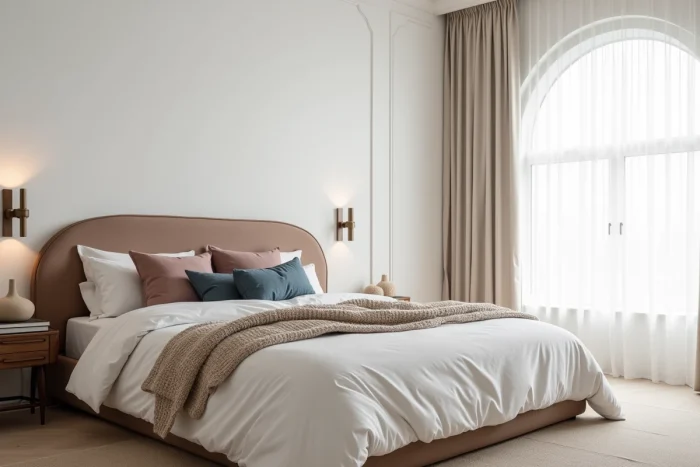
Peer-to-peer resale platforms facilitate access to these materials. The available data does not allow for a conclusion on the exact market share represented by this sector, but its growing visibility on social media accelerates demand. The risk: an overpricing of “vintage” materials that sometimes only have the appearance of being reclaimed, with some resellers offering artificially aged new products.
Modular layout: adapting space without moving
The multifunctionality of a home has become a central topic for households whose composition is evolving (remote work, births, intergenerational cohabitation). Sliding partitions, foldable desks, and lift-up beds are no longer reserved for Parisian micro-apartments.
Modular furniture presents a design constraint that inspiration catalogs rarely showcase. A foldable bed requires a load-bearing wall or reinforcement of the partition. A foldable desk integrated into a bookshelf demands custom carpentry, the timeline and budget of which often exceed that of purchasing a standard piece of furniture.
When modularity is worth the investment
Modular layout is fully justified in two specific cases: rooms smaller than twelve square meters where every centimeter counts, and furnished rental properties where space flexibility increases the attractiveness of the listing. Outside of these situations, a well-thought-out fixed arrangement often remains more durable and less costly to maintain.
The line between decor trend and technical necessity is blurring. The most relevant layout choices now intersect aesthetics, energy constraints, and patrimonial logic. A well-chosen thermal curtain decorates as much as it insulates. A clickable floor is as appealing as it protects resale value. It is at this intersection that the most solid decisions for a lasting interior are found.