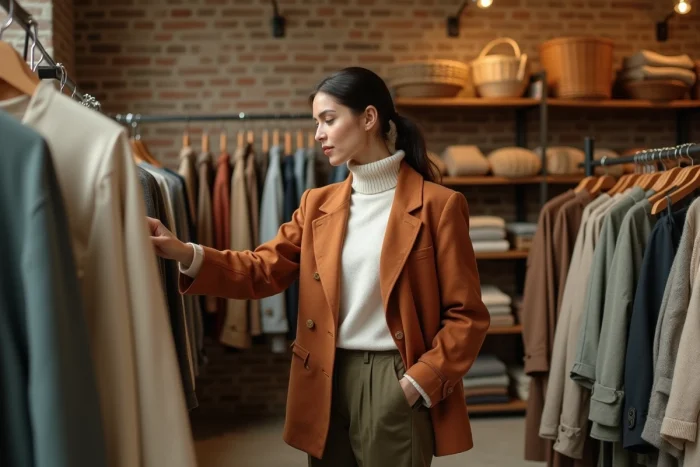
The spring-summer 2026 season marks a clear shift in how brands justify their environmental promises. Vague labels like “eco-friendly” are giving way to verifiable certifications, and collections incorporate stylistic codes that make responsible fashion immediately recognizable.
Fashion certifications and textile traceability: what is changing concretely
The mentions GOTS, Fairtrade, or B Corp are gradually replacing vague marketing claims on product sheets. According to the report “The State of Fashion 2024” published by McKinsey and Business of Fashion, younger generations are turning away from overly vague “green” labels and demanding detailed proof of sustainability, including the environmental footprint of each piece.
The European Green Deal is accelerating this movement. The gradual introduction of the ban on misleading environmental claims is forcing brands to reformulate their arguments. Gone are the terms without proof: data must be verifiable, sourced, and easily understood by consumers at the time of purchase.
We are also seeing several major online sales platforms testing the display of a carbon impact score directly on product sheets. Zalando’s Sustainability Progress Report 2023 indicates a measurable increase in sales of pieces deemed more responsible when this information is visible at the time of choice. For buyers, this means that a well-rated garment in terms of environmental impact also becomes a style argument, not just a matter of conscience.
For those who wish to explore the fashion section of My Fish Book, these developments in textile traceability are regularly documented with concrete examples of brands.
Trendy responsible pieces: linen, organic cotton, and structured cuts
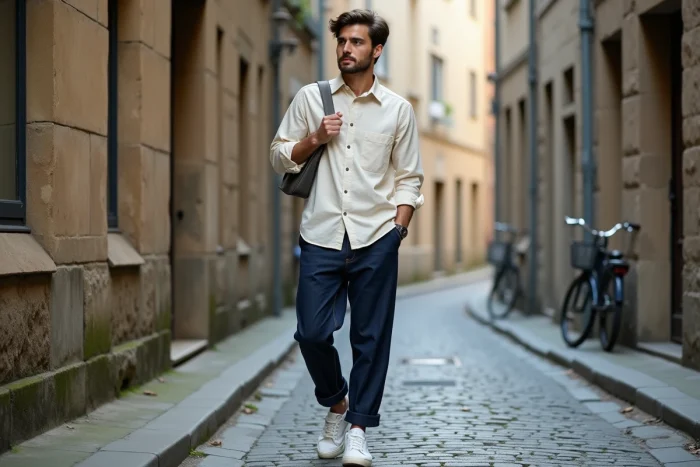
Linen and certified organic cotton dominate spring-summer wardrobes. These materials are not new, but their treatment is evolving. Weaves are becoming denser, allowing for structured cuts (fitted blazers, pleated trousers) where these fibers were previously limited to fluid silhouettes.
The color palette follows a logic of visual sustainability. Muted shades (sage, sand, terracotta) hold up better over time than saturated colors, which fade with washing. A color choice this season is also a choice for longevity.
- The unlined linen blazer, worn with slightly oversized shoulders, works equally well in office attire or weekend looks with barrel jeans.
- High-waisted loose trousers in organic cotton replace joggers in casual looks without sacrificing style.
- Midi dresses with straight cuts, made from certified materials, offer a credible alternative to the fluid dresses that dominated previous seasons.
We recommend systematically checking the fabric certification rather than relying on the “natural” label. Conventional linen treated with chemicals is not responsible, even if the fiber itself is plant-based.
Clothing rental and textile subscription: a model that goes beyond event wear
Subscription and rental models are gaining ground well beyond evening or wedding dresses. There is a rise in these services for everyday looks, driven by those under 35 who integrate wardrobe rotation as a legitimate mode of consumption.
This trend is changing the relationship with seasonal trends. Renting a trendy piece allows for testing a style without commitment, which reduces the risk of impulsive purchases and the volume of clothing discarded after a few uses. For a linen blazer or a short colored jacket that will be worn for three months, renting makes economic and ecological sense.
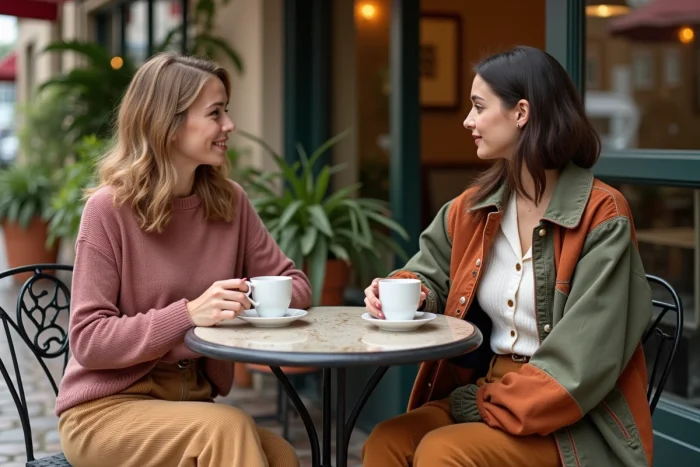
The main barrier remains logistics: cleaning, returns, size availability. The platforms that are growing the fastest are those that address these friction points with short turnaround times and strict quality control between each rental.
Sustainable fashion accessories: recycled jewelry and bags made from alternative materials
Accessories often represent the blind spot in responsible initiatives. Jewelry made from recycled metals is gaining in quality and is no longer visually distinguishable from classic pieces. Some brands now offer rings, necklaces, and bracelets with complete traceability of the metal used.
On the bag front, alternative materials to animal leather (made from grape, mushroom, or cactus residues) are reaching a level of durability that makes them credible for everyday use. Their texture and aging are improving, although their lifespan remains shorter than that of quality vegetable-tanned leather.
- Certified recycled silver jewelry offers the best compromise between price, durability, and style.
- Bags made from plant materials work better in compact formats (clutches, fanny packs) than in large totes, where the rigidity remains insufficient.
- Sunglasses with bio-based frames complete a responsible look without compromising UV protection.
A well-chosen accessory transforms an outfit more than an additional garment. It is also the easiest piece to source responsibly, as the material volumes are low and certifications are simpler to obtain.
Adopting a unique and responsible look this season does not require a complete overhaul of the wardrobe. It is enough to replace one or two key pieces with traceable alternatives, to check certifications rather than slogans, and to consider renting as a legitimate styling tool. Responsible fashion is now read on the label, not in the marketing discourse.