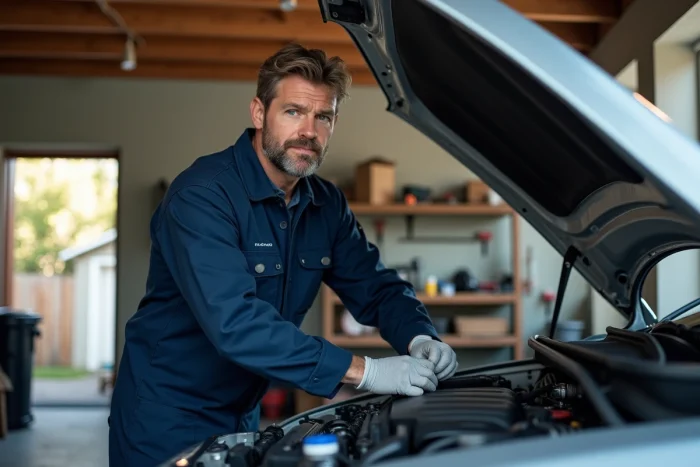
A complete and up-to-date maintenance log increases the resale value of a car, but nearly one in two vehicles is on the road with at least one operation not performed within the recommended time frame. Premature wear of parts due to neglected maintenance represents one of the top unexpected expenses for motorists.
The maintenance schedule is not the same from one model to another, and some manufacturers impose much stricter checks from the very first kilometer. Even the slightest negligence regarding tire pressure or brake fluid levels can be enough to void the manufacturer’s warranty, even in the case of a failure with no direct link.
Why regular maintenance of your car makes all the difference for your safety and your budget
Neglecting car maintenance is risking unexpected costs that weigh heavily on both safety and your wallet. Car maintenance is not limited to changing the oil or checking the coolant level. It includes monitoring all safety components: brakes, tires, lighting, not to mention every fluid circulating under the hood. Getting into the habit of regular automotive diagnostics gives your car a chance to reveal its small issues before they turn into big problems. A burnt-out bulb, a wear indicator on the brake pads, a fluid leak: every detail matters.
On the financial side, being diligent pays off. Ignoring a timing belt or delaying the brake fluid change exposes you to repairs that can seriously disrupt your finances. Preventive maintenance, far from being reserved for enthusiasts, should become a shared reflex. Maintenance log at hand, scheduled checks, carefully filed invoices: this is the routine to adopt to get through the years without unpleasant surprises.
The vehicle maintenance sector is constantly evolving. Some players are becoming benchmarks, such as AXX Auto, whose expertise and advice are well-established. To keep control over safety and expenses, note signs of wear, record each intervention, and take every dashboard alert seriously. These simple actions make a difference and prepare your car to last, kilometer after kilometer.
What actions and checks to adopt to extend the life of your vehicle on a daily basis
Maintaining a car is primarily a matter of regularity and attention. Start by monitoring the engine oil level: clean oil, within the right range, preserves the mechanics and avoids many troubles. Also remember to check the coolant and brake fluid: neglecting either exposes the engine to overheating or the braking system to failure. Review the tire pressure each month and inspect their condition. An under-inflated or worn tire increases fuel consumption, but more importantly, it jeopardizes your safety on the road.
Here are the points to examine regularly to keep your vehicle in top shape:
- Visual inspection of worn parts: wiper blades, bulbs, belts.
- Checking the fluid levels (coolant, brake, windshield washer).
- Cleaning the air filter: a clogged filter suffocates the engine and harms its performance.
- Battery check: ensure the terminals are clean, the voltage is correct, with no signs of leaks or oxidation.
Do not neglect regular oil changes: follow the manufacturer’s recommendations to extend the vehicle’s lifespan. Stay alert to any unusual noise, strange smell, or new vibration. These often subtle signals indicate an anomaly that needs to be addressed promptly. An up-to-date maintenance log, preserved invoices, and each operation dated is the best assurance for trouble-free journeys and a car that stays in shape over the long term.

DIY Repairs: Tips, Essential Tools, and Advice to Avoid Beginner Mistakes
Taking action yourself is primarily about preparing the ground. Before tackling a repair, take the time to consult the technical manual for your model. The first step in a good diagnosis is observation: warning lights, unusual behaviors, noises that are out of the ordinary. Having a diagnostic tool can make all the difference: this device reads error codes and guides you to the fault without fumbling around.
The right tools are your best allies. Build a solid base: sets of wrenches, screwdrivers, a sturdy jack, approved jack stands, and pliers. Always follow safety rules: disconnect the battery before any electrical intervention, work on a stable surface, and wear appropriate gloves.
For each intervention, keep these practical rules in mind:
- Ensure that the replacement parts (oil filter, pads, bulbs) are compatible with your vehicle.
- Follow the torque specifications indicated by the manufacturer to avoid leaks or breakage.
- Always test the repaired systems before hitting the road to avoid any incidents.
Document each step, take photos if necessary: this precise tracking will make your task easier in case of future issues. Never rush a repair; haste often leads to additional complications. Proceed step by step, consult reliable tutorials if any doubts remain. Maintaining and repairing your car like a professional also means knowing when to stop and seek advice from a mechanic as soon as the technique exceeds your level of expertise. Caution in this area is never negotiable.