When a dog ages, the question is no longer whether it will need expensive care, but when. Senior dog insurance presents a specific problem: most contracts are designed for young animals, and the terms change radically after a certain age. Understanding these coverage gaps before signing up helps avoid reimbursement refusals on the most significant expenses.
Age limit for enrollment: what the contracts actually stipulate
The first filter for senior dog insurance is not the price, but the maximum age accepted for enrollment. Most French insurers set this limit between 5 and 10 years depending on the plans. Beyond that, either the contract is refused, or coverage is restricted to accidents only.
According to the 2024 barometer from the French Federation of Insurance Companies (FFSA), contracts for dogs over 8-9 years old are among the most canceled by insurers themselves, due to a claims rate deemed too high. This data changes the game: even a dog already covered can lose its insurance as it ages.
Some providers stand out by removing any age limit for enrollment, which opens the door for dogs aged ten and older. The trade-off is found elsewhere, in deductibles or annual caps. To delve deeper into this point, our senior dog insurance tips from Actu Animaux detail the available options based on the animal’s age.
| Criterion | Standard contract (young dog) | Senior dog contract |
|---|---|---|
| Age limit for enrollment | Generally up to 7-8 years | Up to 10 years, sometimes with no limit |
| Illness coverage | Included from the basic plan | Often excluded or limited |
| Accident coverage | Included | Included |
| Deductible | Low or none | Higher |
| Waiting period for illness | Variable (a few weeks) | Often extended |
| Annual cap | Moderate to high | Generally reduced |
Exclusions and pre-existing conditions in older dogs
An animal health insurance contract is based on the notion of pre-existence. Any pathology diagnosed before enrollment is excluded from reimbursement. For a senior dog, this clause weighs heavily: declared osteoarthritis, early kidney failure, identified heart problems during a check-up, all these pre-existing conditions fall outside the coverage scope.
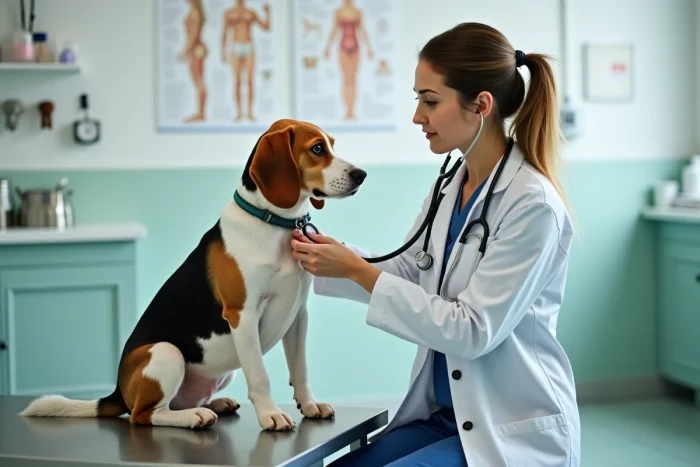
Insurers often require a recent veterinary certificate before accepting an older animal. This document serves to establish the baseline health status. A visit to the veterinarian before any enrollment process is therefore not optional; it directly conditions the level of coverage obtained.
Clauses to check in the general conditions
- The exact definition of “pre-existing condition”: some contracts include breed predispositions even without a diagnosis, while others limit it to pathologies documented by the veterinarian.
- The list of permanent exclusions: tumors, hereditary diseases, dental issues are frequently excluded for senior dogs, even in high-end plans.
- The waiting period for illnesses: an extended waiting period can last several months on senior contracts, during which no illness reimbursement is possible.
However, accidents remain covered without age restrictions in most plans. A twelve-year-old dog that fractures a leg will be covered just like a three-year-old dog, up to the reimbursement rate provided.
Veterinary geriatric packs: an advantage reserved for insured dogs
Since 2023, some major networks of veterinary clinics in France have partnered with insurers to offer geriatric packs reserved for already insured dogs. These packs include an annual health check, regular blood tests, and specific monitoring of osteoarthritis.
This system creates a concrete disparity in coverage between an insured senior dog and a non-insured dog. The owner of a covered animal gains access to structured preventive follow-up that the uninsured owner will have to fully finance. Over several years, the difference in expenses becomes significant, especially for breeds predisposed to joint or kidney pathologies.
Senior age threshold according to dog size: a criterion often overlooked
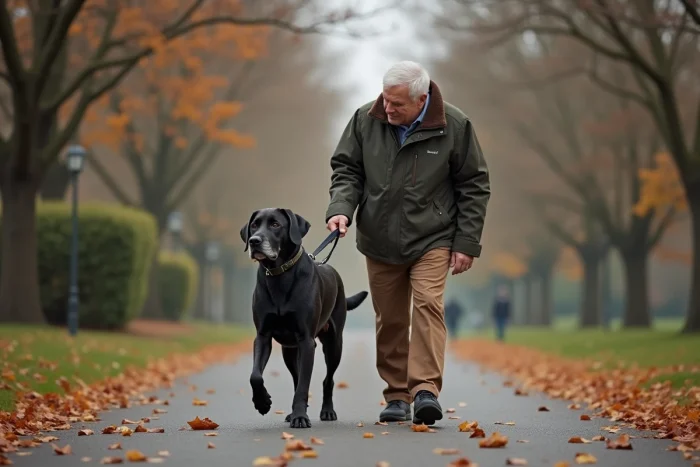
The age at which a dog becomes senior is not uniformly decreed. Large breed dogs age faster than smaller breeds. A Great Dane enters its senior phase around six years old, while a Yorkshire Terrier may wait nine or ten years before showing the first signs of aging.
This distinction has a direct impact on the ideal time for enrollment. Waiting for the animal to show clinical signs of aging often means waiting too long: age-related pathologies appear before the owner perceives them. A preventive veterinary check-up conducted one or two years before the theoretical entry into the senior phase allows for signing a contract before exclusions apply.
When to enroll to optimize coverage
For a large breed dog, the ideal enrollment window is before five years old. For a small breed dog, the margin extends to seven or eight years. Beyond these thresholds, options decrease and conditions tighten. Enrolling early guarantees continuity of coverage as the animal ages, including against the risk of cancellation by the insurer noted by the FFSA.
The choice of insurance for an older dog relies on three verifiable data points: the age limit of the contract, the list of exclusions for pre-existing conditions, and the maintenance of coverage over time. These three points are included in the general conditions of each offer. Comparing them before signing remains the only reliable method to avoid a contract that covers little when the animal needs it most.