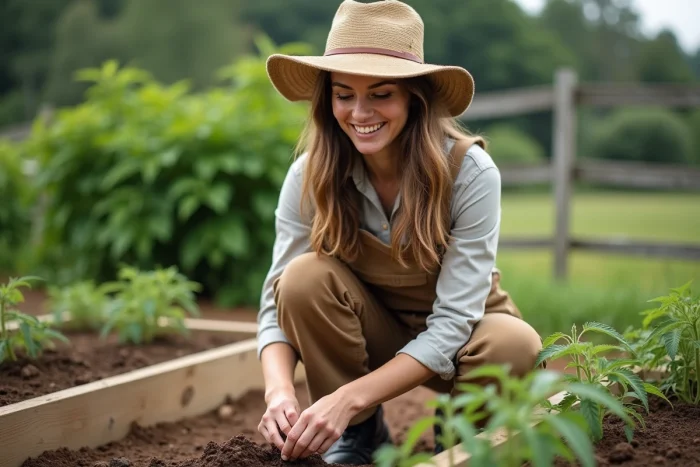
Earthworms transform up to 80% of organic waste in the soil into essential nutrients, without human intervention. Contrary to popular belief, natural fertilizers do not always guarantee rapid plant growth. Some plant species, known to be invasive, play a fundamental role in the regeneration of depleted soils.
Alternatives to chemical treatments have existed for centuries but remain largely underutilized in modern gardens. Plant diversity, often overlooked, directly influences the resilience of cultivated spaces against diseases and pests.
Why gardening differently is essential for the planet
The ecological garden does not belong to the category of passing trends. It is a way of living sustainable development day after day, in harmony with the rhythm of nature. Gardening differently means accepting that every spade stroke, every sowing or pruning, leaves an imprint on the biological balance. In a garden, soil, fauna, and flora are closely intertwined: nothing exists in isolation. Banning chemical fertilizers and chemical pesticides is not a trivial act. They disrupt natural cycles, harm the diversity of local species, and jeopardize pollinators, those unsung workers upon which a significant part of our food supply depends.
Encouraging biodiversity starts with choosing plants suited to the terrain, selecting native species, or preserving wild corners. A garden that reuses its green waste and transforms household waste into resources closes the natural loop. Instead of throwing away, we nourish the soil, encourage the arrival of beneficial creatures like ladybugs, hedgehogs, and birds, which effectively replace chemical treatments.
Here are some concrete actions, sometimes underestimated, but that can change the game:
- create a wild hedge,
- leave a flower meadow,
- install an insect shelter.
These simple choices attract a varied fauna and flora, preserve ecological balances at the local level, and help adapt to the local climate. For those who want to delve deeper into the subject, discover Jardiner Naturellement offers an overview of methods based on understanding the cycles of life. Observe, learn, act differently: this is the promise of a garden designed as a partner, not just as a backdrop.
What simple practices for a truly ecological garden?
Adopting an ecological garden means focusing on concrete actions. Mulching is essential: by protecting the surface of the soil, it retains moisture, slows the progression of competing weeds, and nourishes the earth as it decomposes. Prefer natural materials like straw, branch chippings, and fallen leaves, which enrich the soil fertility while limiting water loss.
Implementing a rainwater harvesting system is wise: it relieves collective reserves and allows for intelligent watering of vegetable gardens and flower beds. An economical watering system, based on the actual needs of plants suited to the soil and climate, avoids waste.
Composting transforms green waste and household waste into an effective natural fertilizer, essential for energizing a living soil. Green manures, sown between two crops, protect the soil from erosion and enrich it deeply. Companion planting, the wise association of plants, limits diseases and pest attacks without chemicals.
To strengthen this approach, here are practices to prioritize:
- Manual weeding: it preserves soil life and avoids the sterilizing effects of herbicides.
- Crop rotation: this method breaks pest cycles and stimulates garden health.
- Natural pesticides: using preparations like nettle or comfrey tea naturally enhances plant resistance.
Adopting gentle pruning respects the rhythm of trees and shrubs, limits injuries, and promotes the establishment of beneficial animals. Gradually, these actions transform the natural garden into an autonomous and resilient space, protecting biodiversity and conserving resources.
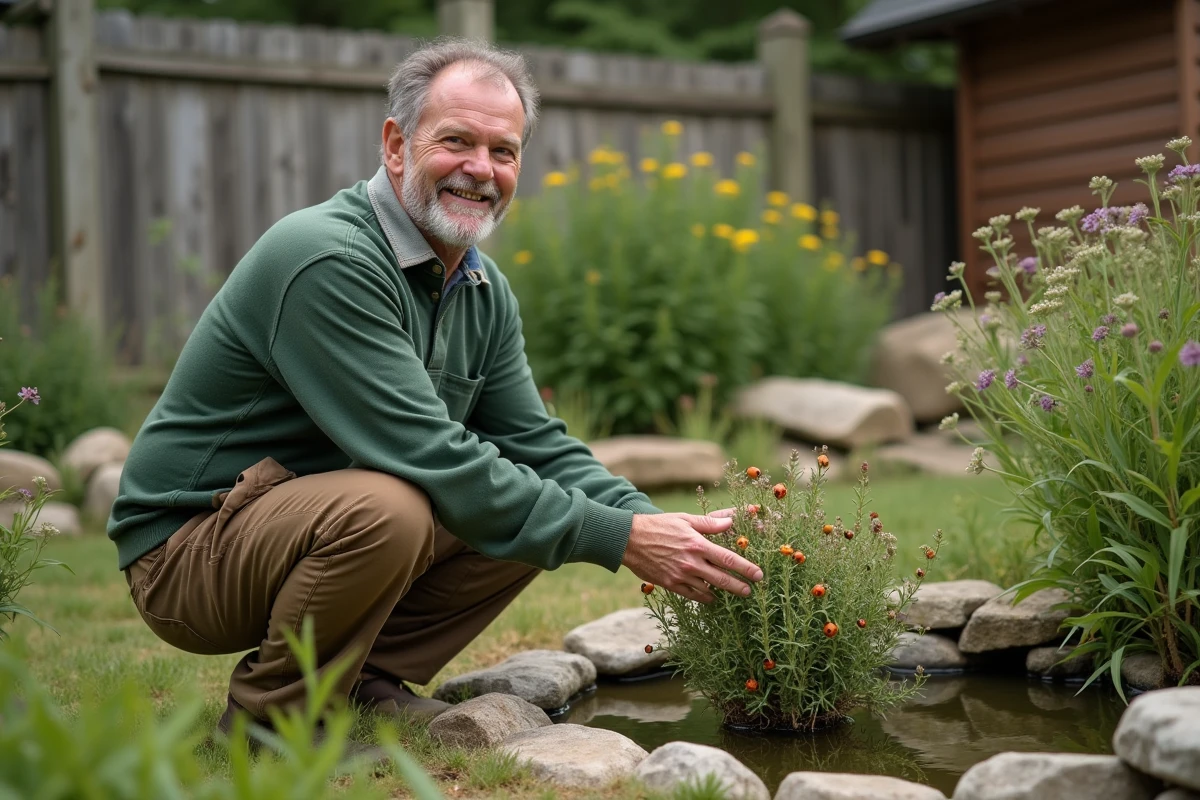
Promoting biodiversity: welcoming life at the heart of your garden
The richness of life is not improvised; it is built step by step. An ecological garden takes root in the voluntary welcome of wild fauna and flora. Offering natural habitats is a fundamental strategy:
- a wild hedge made up of local shrubs,
- which shelters birds, hedgehogs, or lizards.
Installing a flower meadow attracts a discreet army of pollinators: bees, bumbles, and hoverflies flock around the blossoms, season after season. Leaving a wild area at the back of the garden, keeping a wood pile, some stones, or a dead tree trunk multiplies shelters for natural allies.
Installing insect shelters, birdhouses, or bats’ houses only requires a bit of time and recycling. These structures attract effective allies, like ladybugs or bats, capable of regulating populations of invasive insects. Earthworms, for their part, play a discreet but crucial role: they aerate, enrich, and structure the soil.
Prioritizing native species simplifies maintenance and prevents the proliferation of invasive species. Varying the plant layers, from ground cover to trees, multiplies living spaces for every passing animal or insect. When the gardener accepts to leave a part of autonomy to their space, biodiversity takes its place, without systematic recourse to chemical pesticides. Every corner left free, every thoughtful gesture, resonates with life down to the smallest crevices of the garden. Who knows, maybe one morning, a hedgehog or a dragonfly will come to testify to the silent change initiated before our eyes?