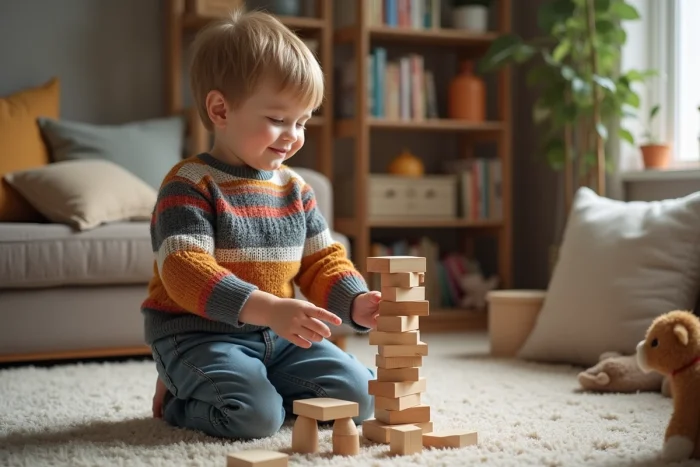
No educational theory has ever managed to identify a universal list of needs that would suit all children, at all times and in all places. Yet, the consequences of an unmet need quickly manifest in behavior, health, or motivation. Some requirements, invisible or underestimated, weigh as heavily as obvious needs.
Recent scientific advances affirm this: fundamental needs play a central role in children’s growth, identity formation, and adaptability. Paying attention to these needs is betting on rich and balanced development.
What are the fundamental needs of the child and why are they essential for their development?
When trying to identify a child’s fundamental needs, one enters a true mosaic where every piece matters. The well-known theory of Abraham Maslow goes beyond merely responding to emergencies or material satisfaction. It highlights the social, emotional, and relational dimensions of development. Three pillars structure this journey: safety, belonging, and esteem.
- Safety: The child needs a stable, reassuring environment where they feel protected. This is where their curiosity takes root, this desire to explore and understand. Without a solid foundation, it is impossible to move forward calmly.
- Belonging: Finding their place, feeling accepted within the family or school nurtures confidence and opens the door to cooperation. This feeling is the launching pad that propels the child towards others and towards themselves.
- Esteem: Every achievement, no matter how small, matters. Encouragement and recognition from adults gradually shape the child’s self-image. Esteem, far from being an option, energizes motivation and tenacity.
These three axes form the essential foundation for mental and emotional balance:
It is impossible to dissociate the satisfaction of these needs from the context in which the child evolves. Every journey is unique. A child who receives attention, listening, and encouragement will develop their skills and potential in a conducive environment. Safety, a sense of belonging, and self-confidence intertwine at every stage. To go further or learn more about Parlons Enfance, there are resources to better understand and support child development, step by step.
Focusing on the different needs: from the body to emotion, understanding every facet of flourishing
At birth, everything begins with physiological needs: eating to satisfaction, sleeping enough, being clean. Without this, it is impossible to open up to the world. Physical well-being remains the foundation upon which everything else can rely. A rested, nourished child finds the energy to learn, play, and marvel.
But the list does not stop there. Safety remains a constant necessity. A predictable environment, clear but flexible rules, all contribute to establishing trust. The child can then allow themselves to take risks, experiment, and grow without excessive fear.
Next come the social needs. Being recognized, welcomed, heard, is what gives the child the impetus to reach out to others. Human relationships, from a very young age, are the learning ground for solidarity, negotiation, and respect for others.
Esteem is rooted in the recognition of the journey traveled. A validating word, a congratulatory look, attentive listening: this is what nourishes confidence. For younger children, offering age-appropriate varied activities, collective games, and moments of free expression gives them the opportunity to reveal their talents, develop their uniqueness, or adapt to specific needs, such as those related to ASD.
Every aspect of the child’s development interacts with the others. Taking this diversity into account lays the groundwork for rich, nuanced, and ever-evolving support.
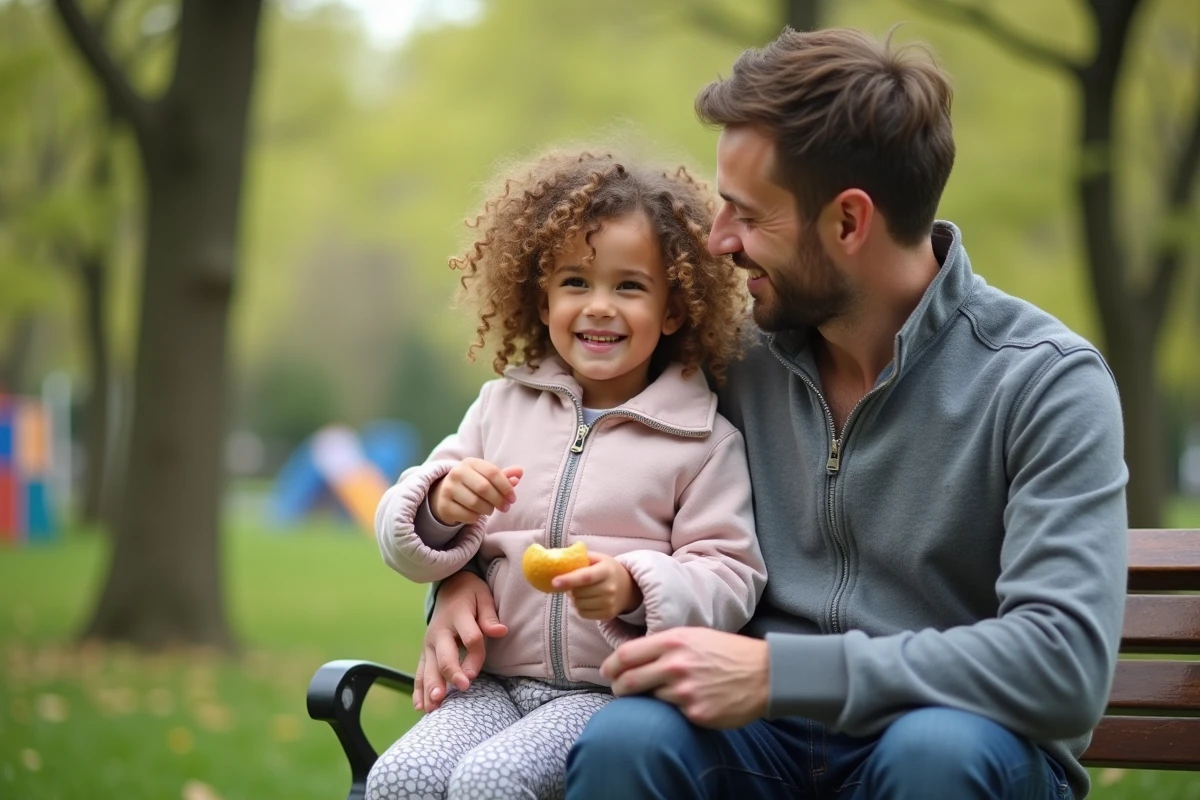
Concrete advice to meet your child’s needs on a daily basis
Create a stable and predictable environment
A child needs reference points to calm down and thrive. Establishing simple routines, meal times, small evening rituals, and designated play areas contributes to building a solid sense of safety. In a calm atmosphere, the child can develop their confidence and open up to discoveries.
Prioritize authentic communication
Welcoming emotions, answering questions, truly listening: this is where dialogue is born. Open communication encourages the child to express their desires, fears, and joys. For younger children, naming what is happening helps them understand and tame each sensation.
- Offer age-appropriate varied activities: alternate free play, quiet time, creative workshops, and outdoor outings.
- Highlight the progress made, value the efforts. Show that every step counts, that persevering makes sense.
- Clarify the collective rules, while remaining flexible. Involve the child in establishing the reference points, they will better understand what is expected of them.
Here are some suggestions to support the child’s flourishing on a daily basis:
The richness of social experiences nourishes esteem and the sense of belonging. Create opportunities for encounters, encourage cooperation, sharing, and managing disagreements. It is also in these interactions that the future adult is shaped.
Each family adjusts, refines, and adapts day by day to the child’s signals. It is these small, regular, and sincere attentions that weave the fabric of flourishing growth, supported by the trust and attentive gaze of the adult. Growing up means moving forward accompanied, never alone on the path.